

Imagine a material so tough it can protect your garage floor from hot tires and spilled oil, yet so elegant it can create a stunning countertop that looks like polished marble. That’s the magic of epoxy. This comprehensive guide dives deep into the world of epoxy, revealing its properties, uses, and safety precautions.
Get ready to learn:
- The science behind epoxy and how it forms such a strong bond.
- The different types of epoxy, each with its own unique strengths.
- Creative applications for epoxy beyond just flooring and countertops.
- Important safety measures to keep in mind when working with epoxy.
Speaking of epoxy flooring, if you’re in Lee or Charlotte County, check out Ryan Resin. Our expert team can create a seamless, durable, and visually stunning epoxy floor for your home or business.
What is Epoxy, Really?
Epoxy is not just some sticky goo; it’s actually a thermosetting polymer. Now, before your eyes glaze over, let me break that down. “Thermosetting” means that once epoxy cures, it undergoes a chemical change and becomes super strong and rigid – you can’t melt it down again. This makes it different from thermoplastics, such as those plastic milk jugs you can re-melt and reshape.
The magic happens when you mix two ingredients: the epoxy resin and a hardener. Consider it like baking a cake. The resin is your flour, and the hardener is your baking powder. When combined, they react and create a cross-linking network of molecules. This network is what gives epoxy its incredible strength and durability. It’s like weaving a super-tight, intricate web that can withstand a ton of stress.
This unique bonding ability is why you’ll find epoxy in everything from airplane parts and sporting goods to those beautiful, high-gloss floors you see in fancy lobbies.
Speaking of floors, if you’re looking to upgrade your home with a durable and stylish epoxy floor, Ryan Resin is the go-to expert in Lee and Charlotte Counties. We use a special Polyaspartic Coating for extra durability, so your floors can handle anything life throws at them.
Epoxy Types
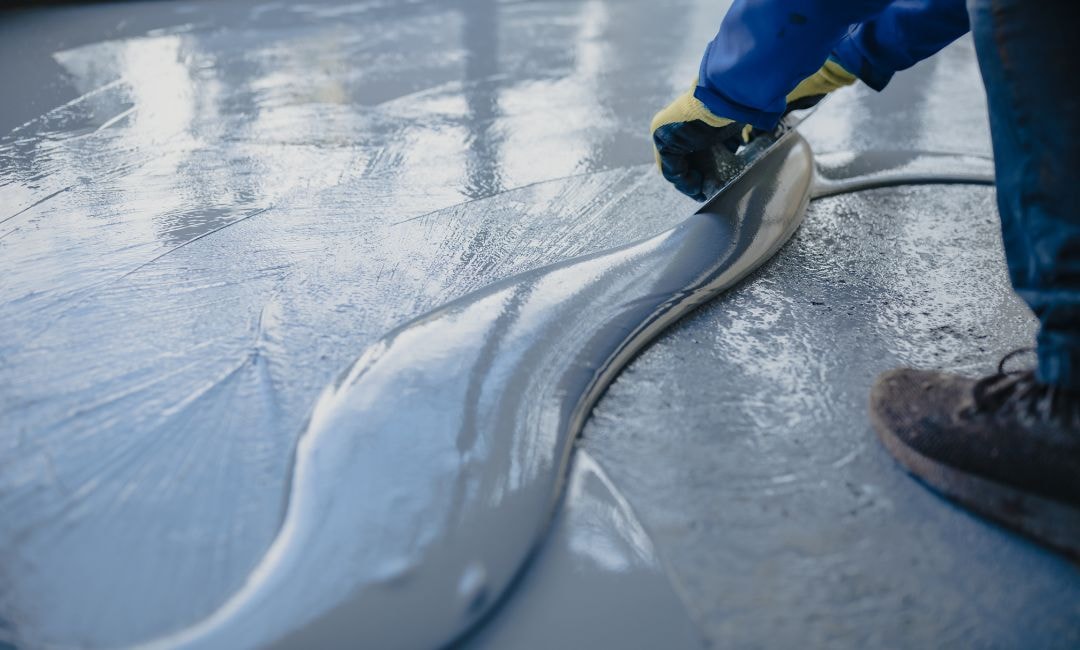
Just like there’s a perfect tool for every job, there’s an ideal epoxy resin for every project. Here’s a closer look at the most common types:
1. Bisphenol A (DGEBA) Epoxy
This is your classic, go-to epoxy, like the trusty hammer in your toolbox. It’s incredibly versatile and used in a wide range of applications, from bonding metal and wood to creating durable coatings. DGEBA epoxy comes in different viscosities, so you can choose a thin, watery polyester resin for casting or a thick, honey-like resin for gap filling.
Why it’s awesome?
- Strong and durable: Provides excellent adhesion and impact resistance.
- Easy to work with: Available in various forms, making it suitable for beginners and experts.
- Cost-effective: Generally more affordable compared to other epoxy types.
Where you’ll find it?
- Adhesives (think glue for heavy-duty projects)
- Coatings for floors, countertops, and even boats
- Electrical insulators
- DIY crafts and jewelry
2. Novolac Epoxy
Need an epoxy that can withstand scorching temperatures? Novolac epoxy is your answer. It laughs in the face of heat and chemicals, making it ideal for demanding applications.
Why it’s awesome?
- Exceptional heat resistance: Can handle temperatures that would make other epoxies melt.
- Chemical resistance: Stands up to harsh chemicals and solvents.
- High strength: Provides a strong and durable bond.
Where you’ll find it?
- Electronics (circuit boards and components)
- Aerospace (high-performance aircraft parts)
- Industrial coatings for harsh environments
3. Aliphatic Epoxy
Aliphatic epoxy resins are all about soaking up the sun without any consequences. It’s highly resistant to UV radiation, so it won’t yellow or degrade when exposed to sunlight.
Why it’s awesome?
- Excellent UV resistance: Maintains its clarity and color even in direct sunlight.
- Good for outdoor use: Perfect for coatings and paints exposed to the elements.
- Environmentally friendly: Often formulated with low VOCs (volatile organic compounds).
Where you’ll find it?
- Outdoor coatings for wood, metal, and concrete
- Marine paints and varnishes
- Automotive clear coats
4. Cycloaliphatic Epoxy
This type of epoxy is a master of electricity. It’s known for its excellent electrical insulation properties and is often used in applications where safety and performance are critical.
Why it’s awesome?
- Superior electrical insulation: Prevents electrical currents from flowing where they shouldn’t.
- Good chemical resistance: Protects against corrosion and damage from chemicals.
- High performance: Offers excellent mechanical and thermal properties.
Where you’ll find it?
- Electrical transformers and insulators
- High-voltage equipment
- Potting and encapsulation of electronic components
Choosing the right epoxy can make all the difference in your project’s success. By understanding the unique strengths of each type, you can ensure you’re using the best material for the job.
Beyond Floors: Epoxy’s Creative Potential
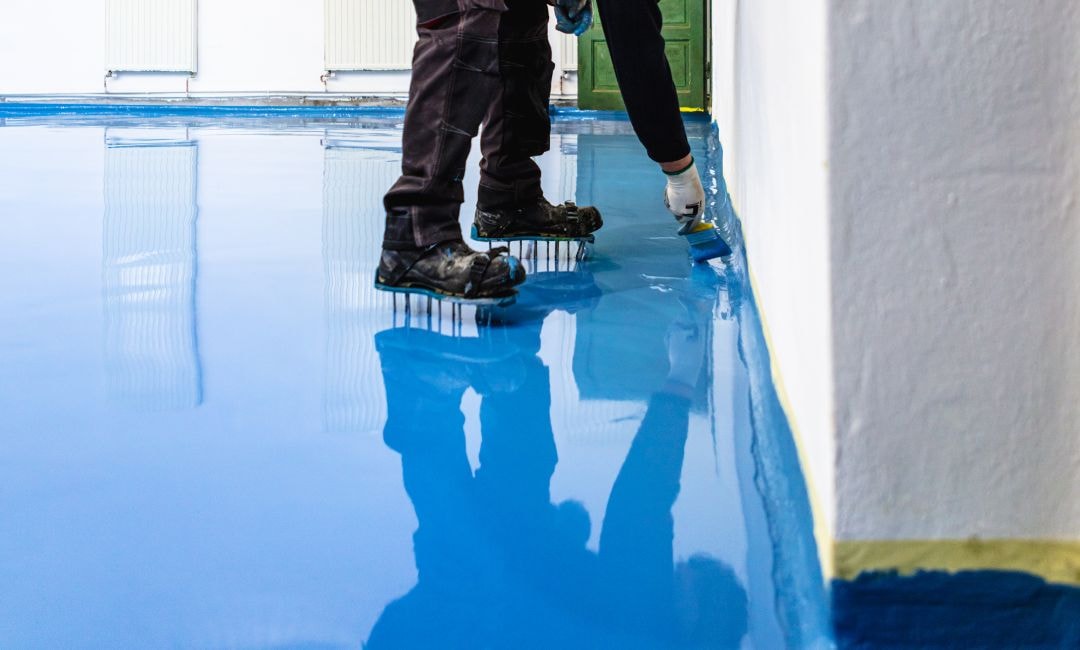
While epoxy floors are undeniably awesome (especially those done by Ryan Resin), this versatile material has a whole lot more to offer. Get ready to be inspired by these creative applications:
Jewelry That Makes a Statement
Epoxy resin’s crystal-clear finish makes it perfect for encapsulating objects and creating unique jewelry. Imagine preserving a delicate flower, a colorful feather, or even a tiny seashell in a beautiful resin pendant. The possibilities are endless.
Art That Pops
Epoxy resin isn’t just for crafts; it’s a legitimate art medium. Artists use it to create stunning resin paintings, sculptures, and mixed-media pieces. The glossy finish adds depth and vibrancy to colors, making the artwork truly captivating.
Furniture That Wows
From river tables with mesmerizing swirls of color to sleek and modern countertops, epoxy can transform ordinary furniture into extraordinary works of art. It can even be used to repair damaged wood, filling in cracks and imperfections for a seamless look.
Custom Creations That Shine
Epoxy can be used to create personalized gifts, like keychains with embedded photos or coasters with pressed flowers. It’s also great for DIY projects, like coating tumblers with glitter or creating unique resin molds for casting.
Beyond the Expected
Epoxy can be used to encapsulate LEDs for cool lighting effects, create durable waterproof coatings for outdoor projects, or even repair and restore vintage items.
Need some inspiration? Check out these cool epoxy projects:
- Resin art: Search online for “resin geode art” or “resin pour painting” to see some mind-blowing creations.
- DIY crafts: Pinterest and YouTube are treasure troves of epoxy craft ideas, from resin jewelry to decorative trays.
- Furniture makeovers: Look for “epoxy resin table” or “resin countertop” to see how this material can transform your home décor.
With a little imagination and some epoxy, you can create truly unique and personalized pieces that will impress everyone.
Safety First: Handling Epoxy with Care
Epoxy is amazing stuff, but like any powerful material, it’s important to handle it with respect. Follow these safety tips to keep yourself and your projects safe:
- Gear Up: Before you even crack open that resin bottle, suit up.
- Gloves: Nitrile gloves are your best friend. They’ll protect your skin from irritation and prevent those sticky messes.
- Eye protection: Safety glasses or goggles are a must. Epoxy splashes can seriously irritate your eyes.
- Respirator: If you’re working in a poorly ventilated area or with a particularly strong-smelling epoxy, wear a respirator with an organic vapor cartridge to protect your lungs.
- Ventilate: Epoxy resins can release fumes, so make sure you’re working in a well-ventilated area. Open those windows and doors, or even set up a fan to keep the air moving.
- Avoid Skin Contact: Epoxy can cause skin irritation or allergic reactions in some people. If you do get some on your skin, wash it off immediately with soap and water. Keep a bottle of isopropyl alcohol handy for quick cleanup.
- Keep it Clean: Spills happen. Have some paper towels or rags on hand to wipe up any spills right away. For larger spills, you can use an absorbent material like kitty litter to soak up the epoxy.
- Dispose of Properly: Don’t just toss your leftover epoxy in the trash. Check with your local waste disposal guidelines for proper disposal methods.
- Be Mindful of Heat: Epoxy generates heat as it cures, especially in large quantities. This can be a fire hazard, so avoid curing epoxy on flammable surfaces or near heat sources.
- Know Your Limits: If you’re unsure about a particular epoxy project or safety procedure, don’t hesitate to seek advice from a professional.
By following these simple safety precautions, you can enjoy working with epoxy and create amazing projects without any mishaps.
Epoxy FAQs
Is epoxy just glue?
While epoxy is an amazing adhesive, it’s way more than just glue. Its strength, durability, and versatility make it suitable for a wide range of applications beyond simply sticking things together.
Glue is like tape, while epoxy glue is like welding on a molecular level. It forms a super strong bond that can withstand a lot of stress.
Is epoxy toxic?
The toxicity of epoxy depends on the specific type and its ingredients.
- Uncured epoxy resins: In its liquid form, liquid epoxy resin can irritate the skin and eyes or cause allergic reactions. That’s why it’s crucial to wear gloves, eye protection, and work in a well-ventilated area.
- Cured epoxy: Once fully cured resin, most epoxies are considered safe and non-toxic. However, it’s always a good idea to check the safety data sheet (SDS) for the specific product you’re using.
Is epoxy rubber or plastic?
Epoxy is technically a type of plastic, but it’s a thermosetting plastic, which means it hardens permanently when heated.
Here’s the difference:
- Rubber: Flexible and elastic, able to stretch and return to its original shape.
- Epoxy: Rigid and strong once cured, more like a hard plastic.
Does epoxy harden like plastic?
Yes, epoxy material hardens into a rigid, plastic-like material. However, unlike some plastics that can be melted and reshaped, epoxy undergoes an irreversible chemical change during curing.
How long does it take for epoxy to harden?
Curing time varies depending on the type of epoxy, the temperature, and the amount you’re using.
- Initial cure: This can take a few hours to a day, where the epoxy becomes hard to the touch.
- Full cure: It can take several days or even weeks for the epoxy to reach its maximum strength and durability.
Always check the manufacturer’s instructions for the specific curing time of your epoxy.
What is the best way to apply epoxy?
The best application method depends on your project.
- For bonding: Clean the surfaces, mix the epoxy according to the instructions, and apply a thin, even layer. Clamp or hold the pieces together until the epoxy cures.
- For protective coating: Prepare the surface by cleaning and sanding if necessary. Mix the epoxy and apply it with a brush, roller, or trowel, depending on the desired finish.
How long does epoxy last?
Epoxy’s lifespan depends on a few factors, including the type of epoxy, the application, and how well it’s maintained.
- For epoxy coatings: A well-maintained epoxy coating, like a floor or countertop, can last for many years, even decades. Think of those tough, shiny floors in shopping malls – they get a lot of foot traffic and still look great.
- For adhesives: Epoxy adhesives can form incredibly strong bonds that last for years, even under stress.
Proper surface preparation and application are key to maximizing the lifespan of your epoxy project.
What happens if epoxy gets wet before it cures?
Water is epoxy’s enemy before it cures. Exposure to moisture can interfere with the curing process, leading to a weaker, cloudy, or even sticky finish.
Here’s why: Water disrupts the chemical reaction between the resin and hardener, preventing the epoxy from forming a strong bond.
Always work in a dry environment and avoid applying epoxy to damp surfaces. If it starts to rain unexpectedly while you’re working on an outdoor project, cover it up quickly.
Can epoxy catch fire while curing?
While cured epoxy is generally flame-resistant, the curing process itself can generate heat, especially in large quantities. In rare cases, this heat buildup can become excessive and potentially lead to a fire hazard.
Always cure epoxy in a well-ventilated area and avoid curing it on flammable surfaces or near heat sources.
Can you sand the epoxy and make it clear again?
Yes, you can. If your epoxy finish has some scratches or imperfections, you can sand it down and polish it back to a clear, glossy shine.
Here’s how:
- Start with a coarse grit sandpaper and gradually move to finer grits for a smooth finish.
- After sanding, use a polishing compound to restore the shine.
Be patient and take your time when sanding epoxy. It’s easy to sand through the finish if you’re not careful.
What are some common places people use epoxy?
Epoxy’s versatility makes it a popular choice for a wide range of applications. Here are some common places you’ll find it:
- Floors: Garages, basements, kitchens, bathrooms, and commercial spaces.
- Countertops: Kitchens, bathrooms, and bars.
- Tabletops: Dining tables, coffee tables, and desks.
- Jewelry: Pendants, earrings, and rings.
- Art and crafts: Sculptures, paintings, and decorative items.
- Boat repair and construction: Sealing hulls, repairing cracks, and building components.
Ready to Get Epoxying?
We’ve covered the basics of epoxy resin coatings, from its chemical makeup to its diverse applications and safety considerations. You now have a better understanding of this versatile material and feel confident tackling your own epoxy projects.
Key takeaways
- Epoxy is a strong and durable adhesive formed by mixing a resin and a hardener.
- Different types of epoxy materials offer unique properties for various applications.
- Epoxy can be used for much more than just flooring and countertops—get creative.
- Always prioritize safety when working with epoxy adhesive.
Need a Hand with Your Epoxy Project?
If you’re looking for a stunning and durable epoxy floor, Ryan Resin is the expert team to call. Serving Lee and Charlotte Counties, we specialize in creating beautiful, high-performance epoxy floors that will transform your space. Contact us today for a free estimate, and let us handle the hard work while you enjoy the amazing results.

